
Have you ever looked at germs under a microscope? It is eye-opening. Teaching kids about germs is an important task. With that said, I'll be straight up with you: my 3.5-year-old son likes to lick things.
Disgusting, right?
He will lick a doorknob, a bench, a window, a figurine, his brother, me, you name it. In other words, he is an oral sensory seeker for sure. With that said, how do we teach kids about germs without constantly hounding them?
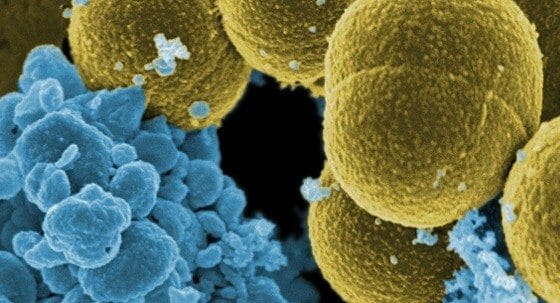
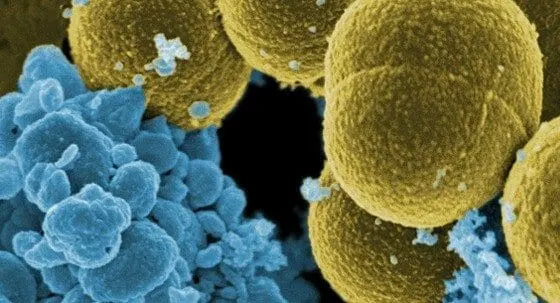
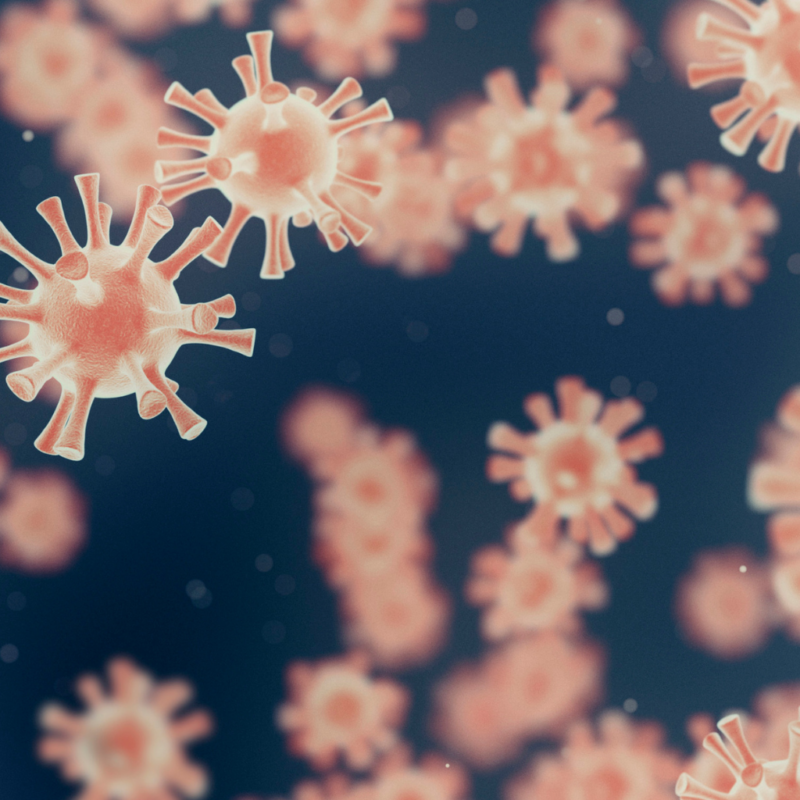
I figure a good starting point is to explore the question, “What do germs look like?”
What Do Germs Look Like?
Today we were at a play structure, and he my son licked a handle on the gym.
I finally had enough and said to him:
“Do you know what germs are?”
“Yes, they can make me sick.”
“Well, some of them, yes.”
“Can we see germs, mama?”
“No, we can't see them. That is what makes them even more dangerous to our bodies.”
“Well, what are they, mama?”
“They are bugs that get into your body and can make you very ill.”
Teaching Kids about Germs
At that moment, his face twisted up. I could see his brain trying to wrap itself around bugs crawling from the handle into his mouth. At first, my stomach dropped, thinking that the “Do or Die” approach wasn't the most appropriate. In other words, I don't want to raise a person completely nuts about germs.
On the other hand, the more he knows, the more likely his behavior will change for the better. I want him to understand germs, that they can be dangerous but that they can also that the “right kinds” of germs can HELP our bodies. So not all germs are harmful.
He led the learning on this one. I can't count on my hands the number of times we've converged on learning. Typically, I have something in mind, and he takes it in another direction, for which I am often unprepared. However, today was different because we were on the same page.
As I cooked dinner (and by “cook,” I mean re-heat pizza and cut up vegetables.), he began asking more questions:
“What do germs look like, mom?”
“Why can't I see them?”
“If they are so small, why do they make me sick?”
“Can I see them with my magnifying glass?”
What are the four types of germs?
According to KidHealth.org, the four significant germs are bacteria, viruses, fungi, and protozoa. Germs invade plants, animals, and people. However, sometimes germs can make us sick, but not all are bad.
I recently read an article that offered a visual of the germs on an 8-year-old boy's hand. The growth took place over several days. The visual is striking and honestly made me gag a bit.
At first glance, your first thought is, “MUST WASH HANDS NOW,” but here is the thing: not all disgusting-looking bacteria, yeast, and other fungi are harmful to our bodies. In other words, as an example, bacteria help keep things in balance.
Facts about Germs
Good bacteria live in our intestines and help us use the nutrients in our food and make waste from what's left over. Furthermore, some of these germs are found naturally in the dirt, such as a rod-shaped Bacillus. With that said, many germs are indistinguishable. Therefore, the conclusion is to wash hands often and wash them well.
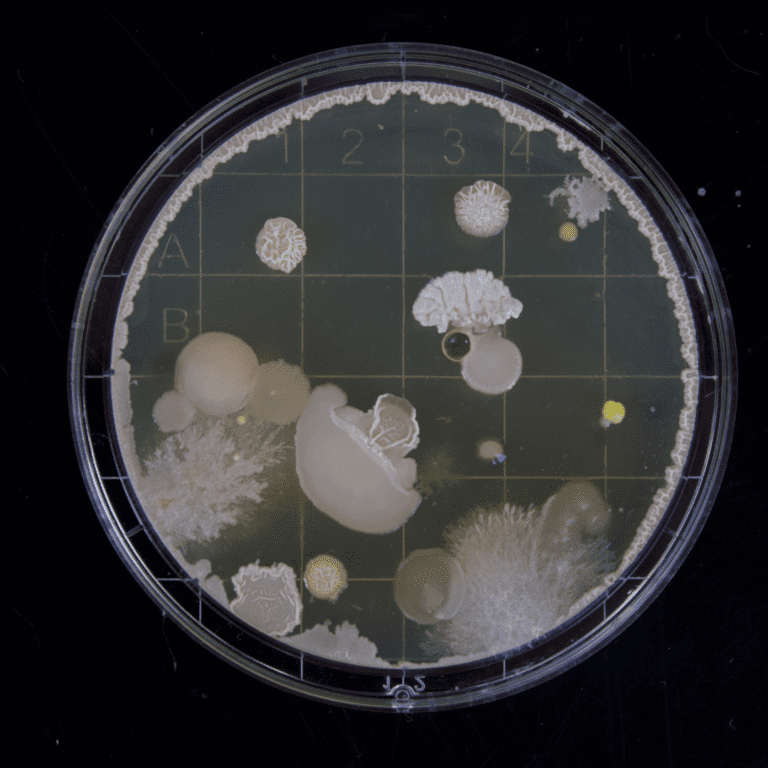
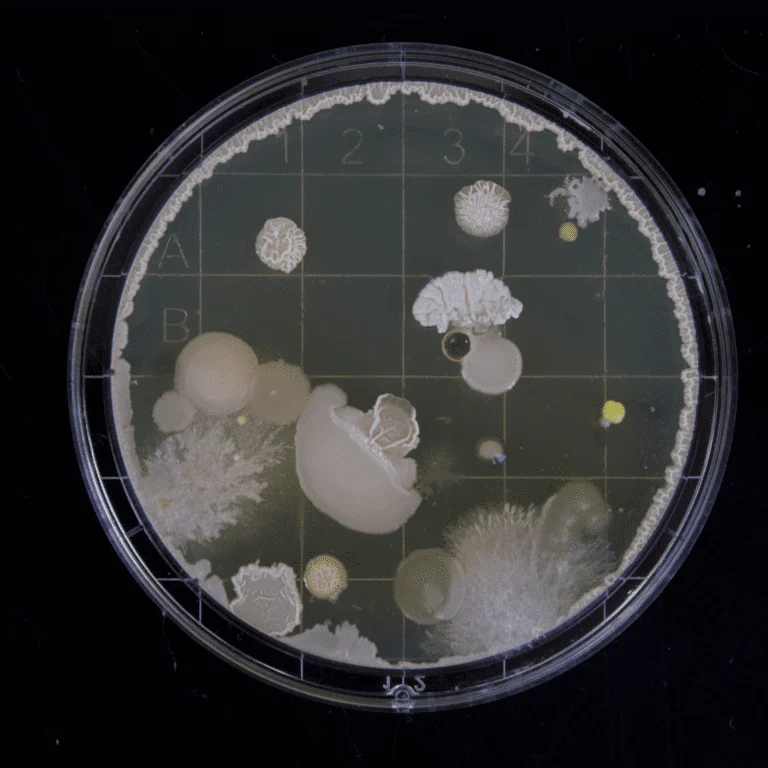
Bacteria are tiny, one-celled creatures that get nutrients from their environments to live.
Viruses need to be inside living cells to grow and reproduce. Most viruses can't survive very long if they're not inside a host, a living thing like a plant, animal, or person. Some viruses live on surfaces such as handles, knobs, and countertops for a short time. So, it is essential to wash your hands often.
Fungi are multi-celled plant-like organisms. Unlike other plants, fungi cannot make food from soil, water, and air. Instead, fungi get their nutrition from plants, people, and animals.
Protozoa are one-cell organisms that love moisture and often spread diseases through water. Some protozoa cause intestinal infections that lead to diarrhea, nausea, and belly pain.
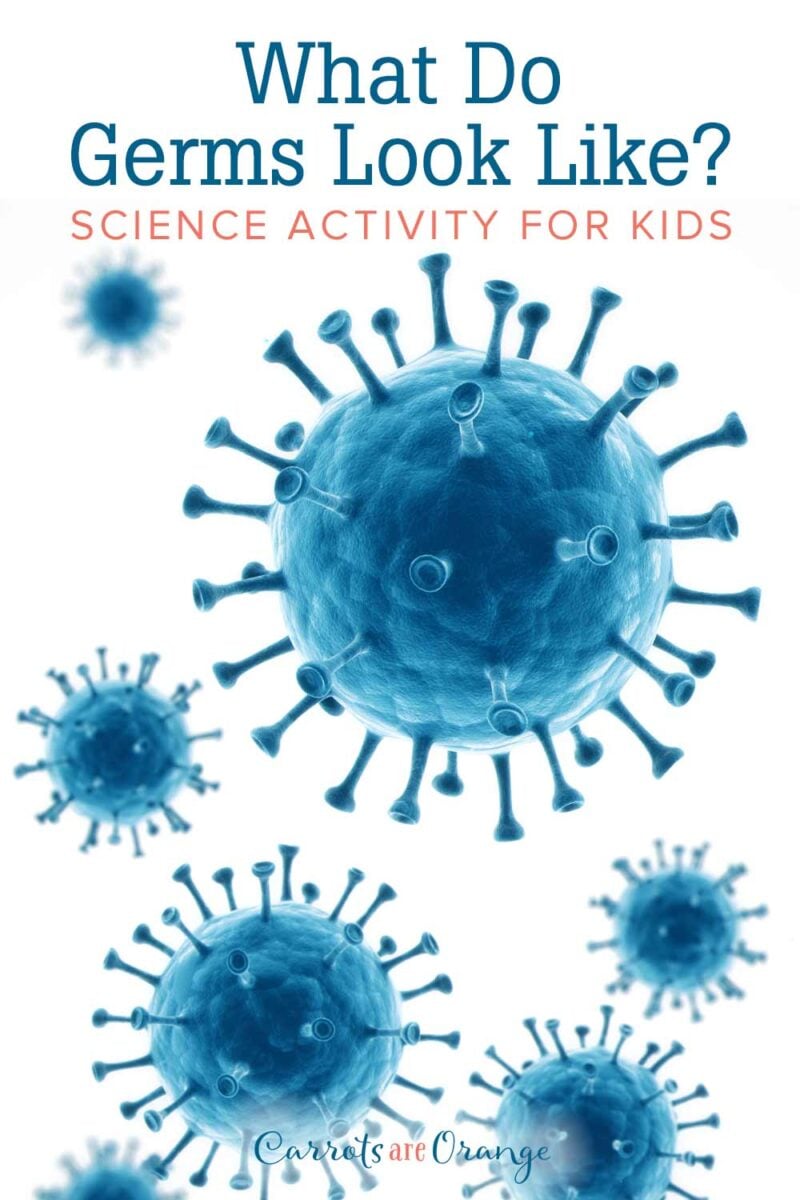
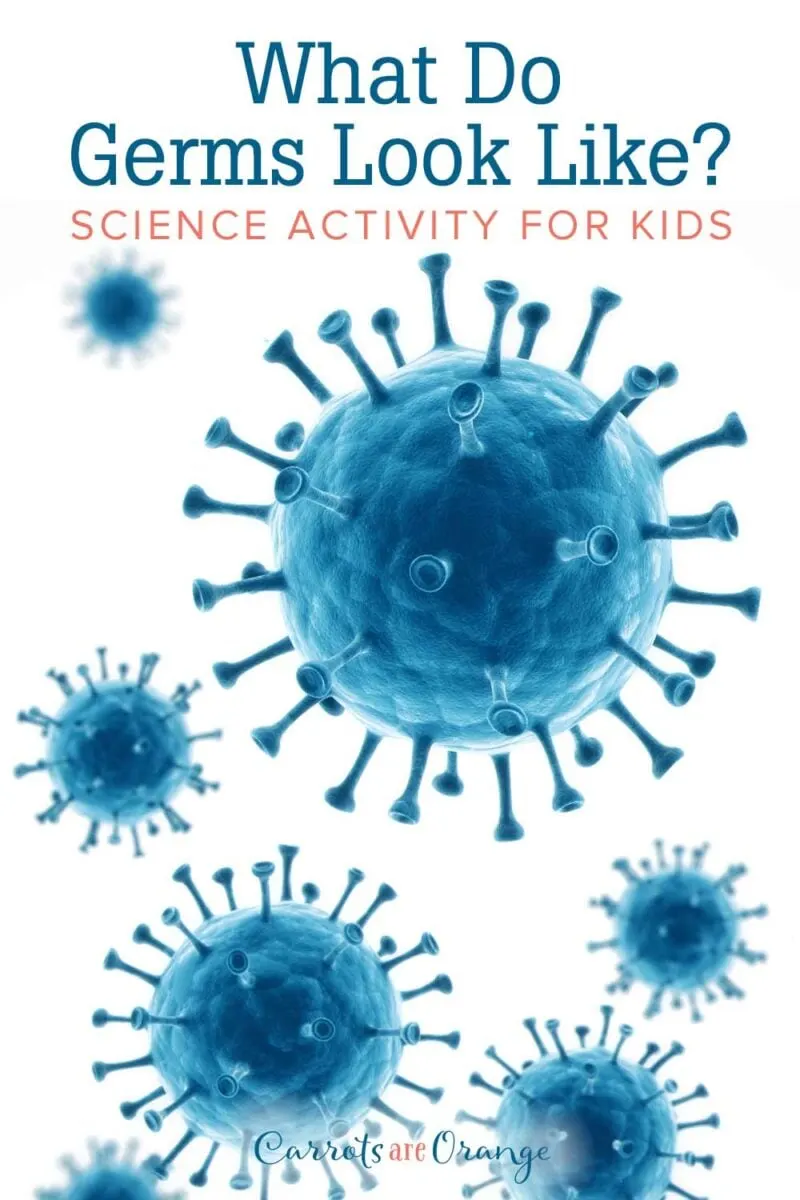
What Do Germs Look Like?
So, I pulled out my laptop and searched “germ images microscope images” Not only did we find lots of close-up images of germs and some great germ learning tools. I was able to introduce words like “bacteria,” “virus,” “protozoa,” and “fungi” to him. We even began talking about the function of the immune system. KidsHealth.org has an excellent little germ overview with audio.
Science Activity to Teach Kids about Germs
So we had the images, but how can we demonstrate further in a hands-on way what germs do to within a person's body? The good news is that there are several easy and concrete science experiments you can do with your preschooler to learn more about the impact of germs.
You can use yeast, grow mold, use lotion and glitter, or cook rice to demonstrate how germs spread and how tough it is to get them out of our bodies my favorite: Sprinkle black pepper (“germs”) in a bowl of water. The pepper will float. Then add a drop of dishwashing soap to the center of the bowl. Watch the soap “scare the germs away.”
Practical Life Activity about Germs
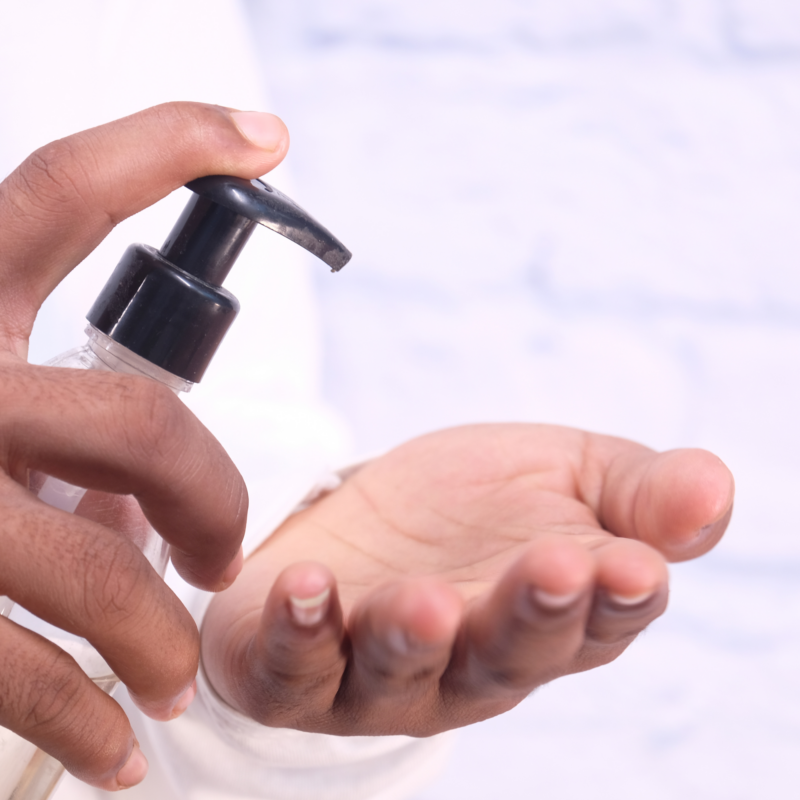
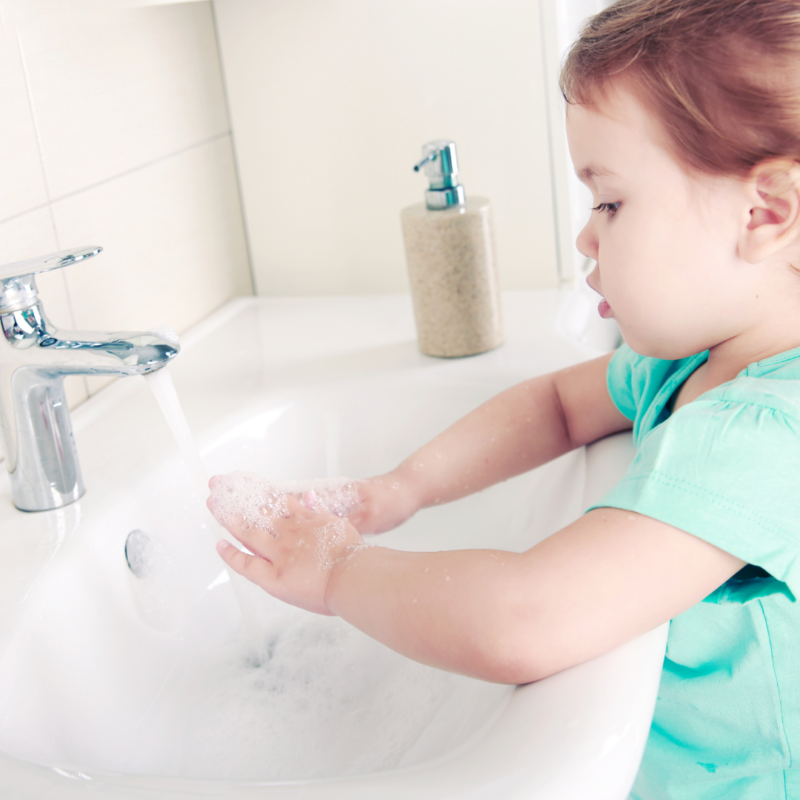
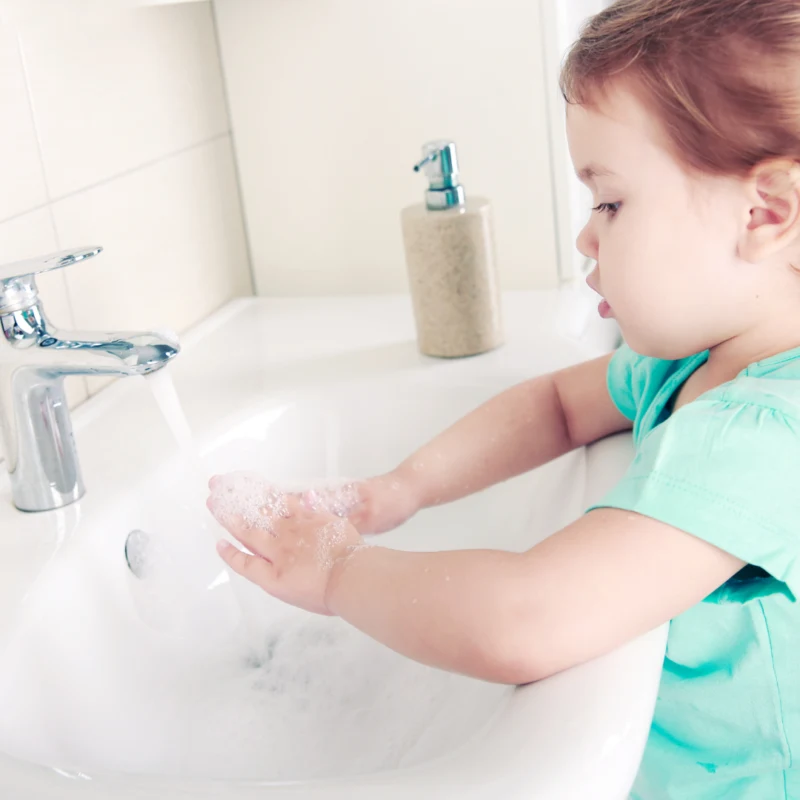
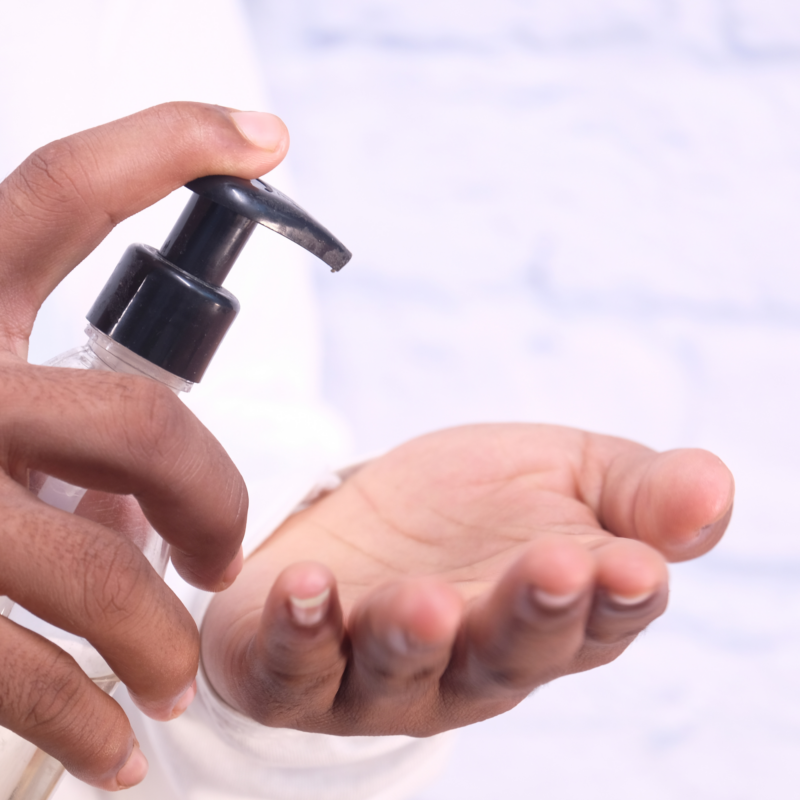
A great segue into the importance of handwashing. Creating a “hand washing accessible” environment that allows kids to wash their own hands is key to integrating this important habit into your home. There is an excellent hand-washing guide on the Children's Health Fund website. Print it out and place it in your home or classroom as a reminder for the child.
When examining germs on the internet, my son bolted to the bathroom screaming: “Mom, I gotta wash my hands with A LOT of soap.” I don't want to freak him out completely, but I think there is merit in helping him understand germs. There are beneficial and harmful germs.
Montessori believed that if a child understands the parts of a tree, an animal, etc., he will not only understand botany and zoology but also gain respect for these real-life things.
If you understand how your body works and how food impacts it, you are more likely to care for yourself differently. At least, that is what I believe.
Books to Teach Kids about Germs
In the meantime, I have ordered these books from the library:
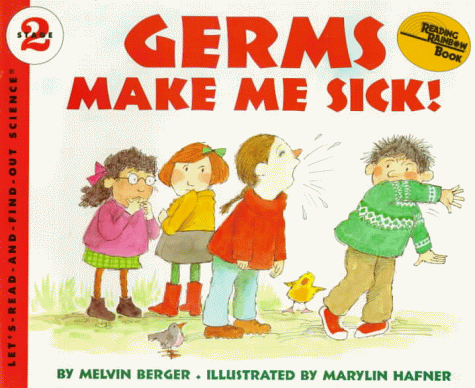
Germs Make Me Sick!
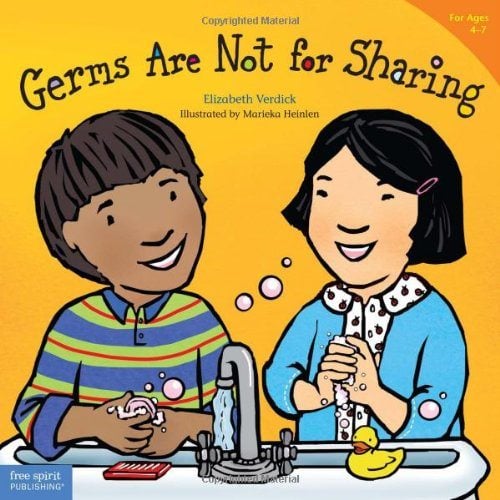
Germs Are Not for Sharing
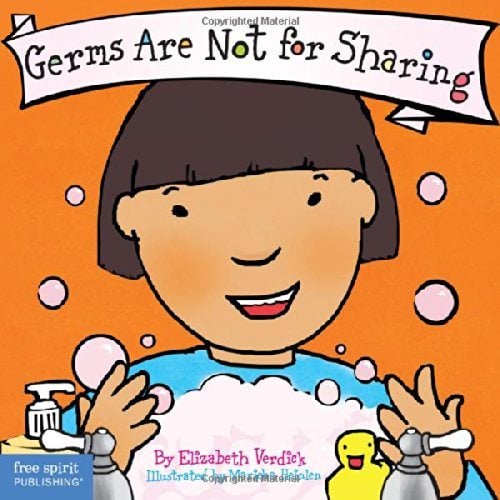
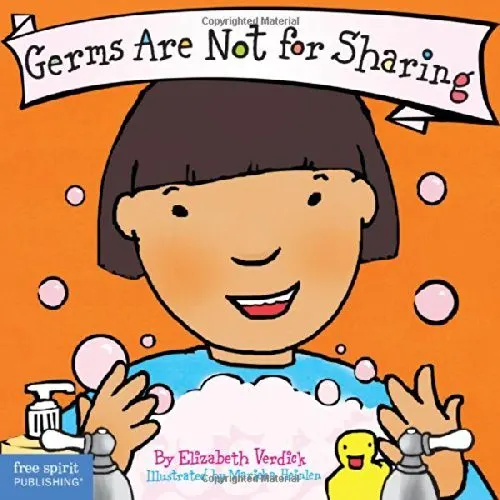
Germs Are Not for Sharing (Ages 4-7)
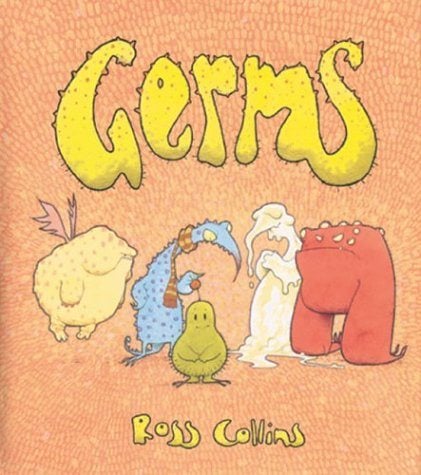
Germs
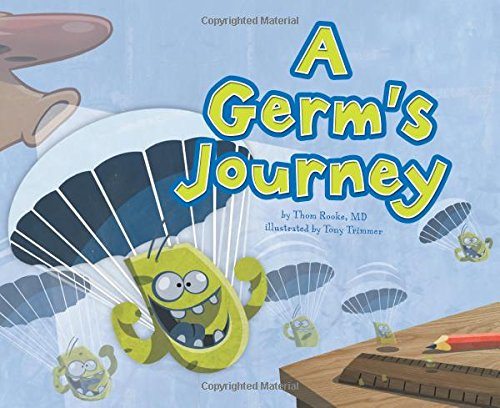
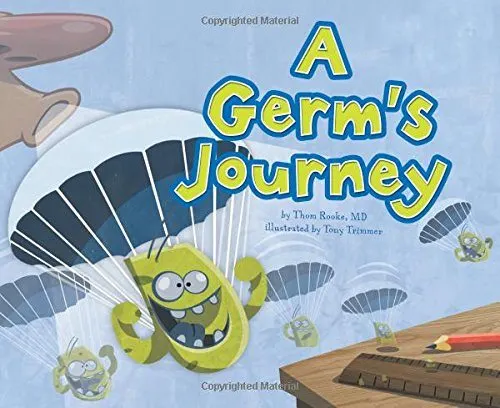
A Germ's Journey
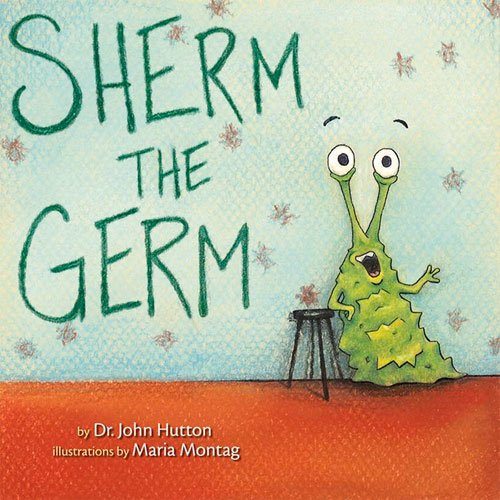
Sherm the Germ
Youtube Videos about Germs
Germ Video Introducing Virus and Bacteria
Germ Smart: Wash Your Hands!
How Germs Spread
Good Germs Versus Bad Germs
Germs from Sid the Science Kid
Related Reads
Thanks for reading! I hope that we inspired you today!
Marnie